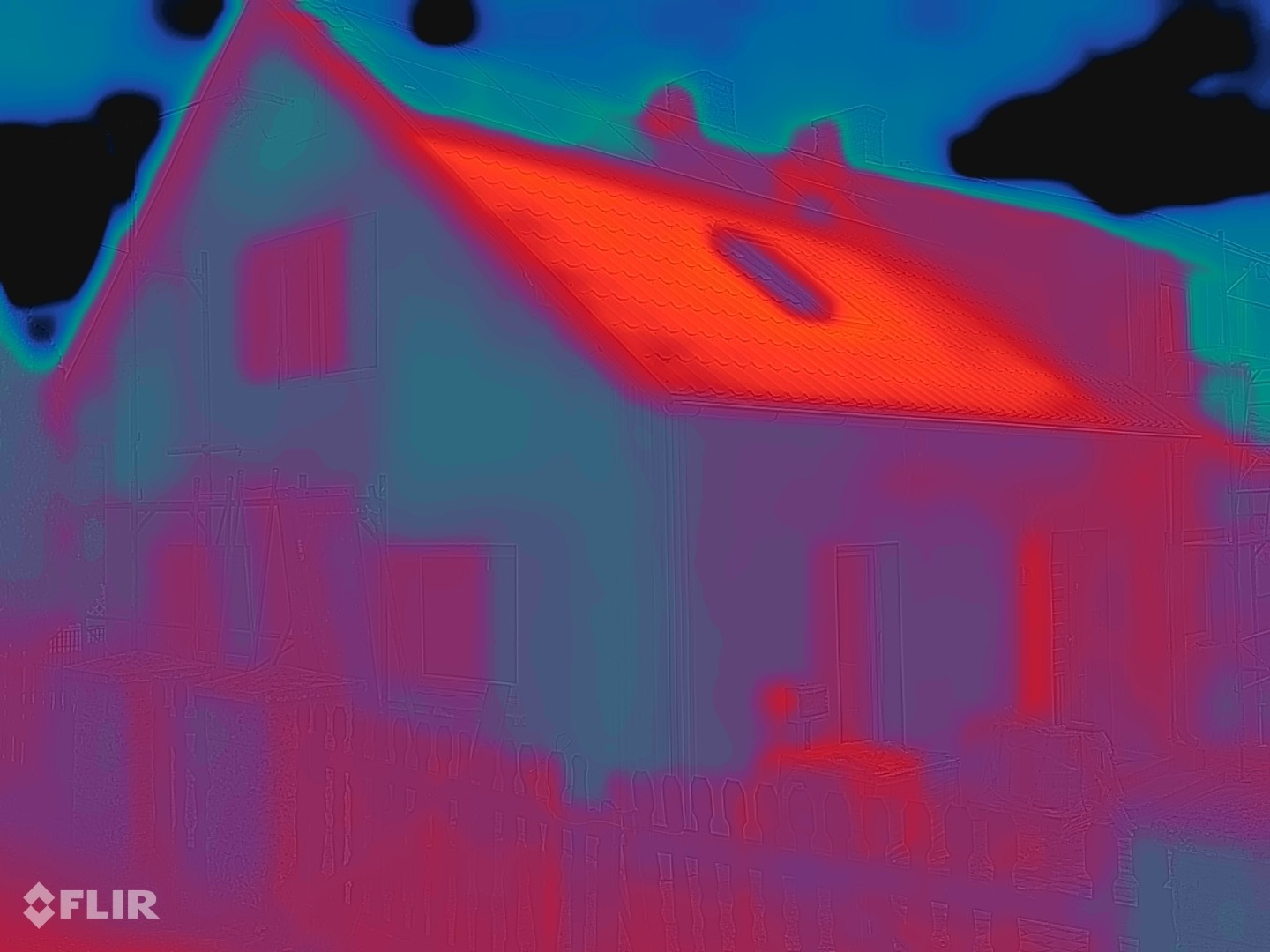
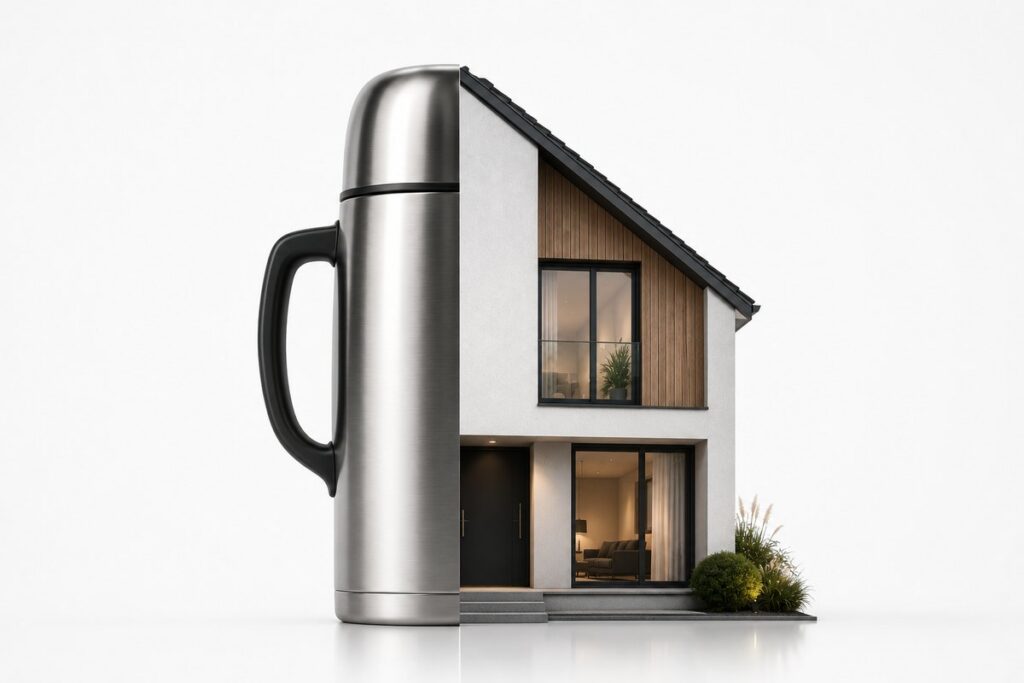
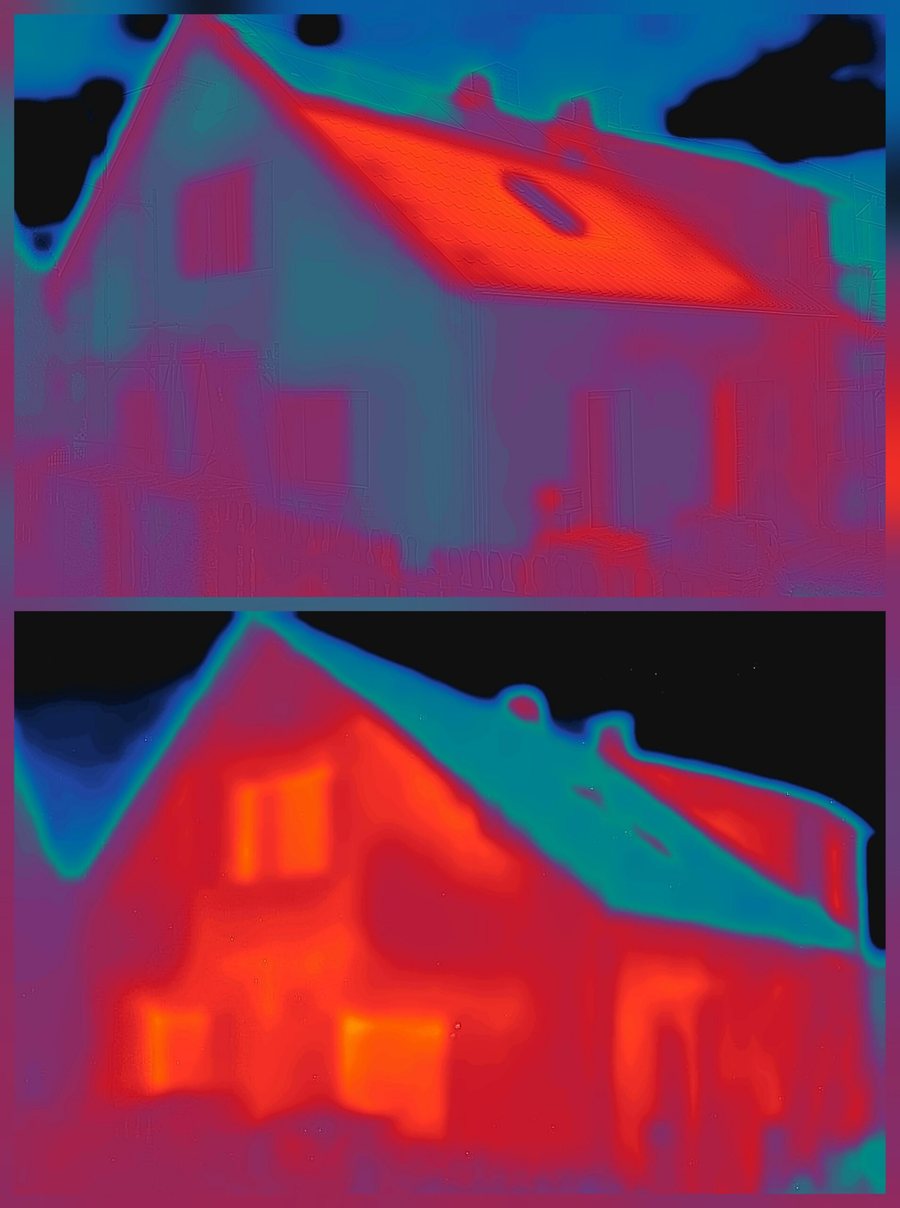
There's no polystyrene in your window either.
Just a coating.
That's been standard for 30 years.
Modern thermal glazing uses what are known as low-E coatings.
These ultra-thin, virtually invisible layers change the thermal properties of the glass surface, reducing long-wave thermal radiation exchange in particular.
As a result, the U-value of the entire window improves by around 50% – even though the coating itself is extremely thin.
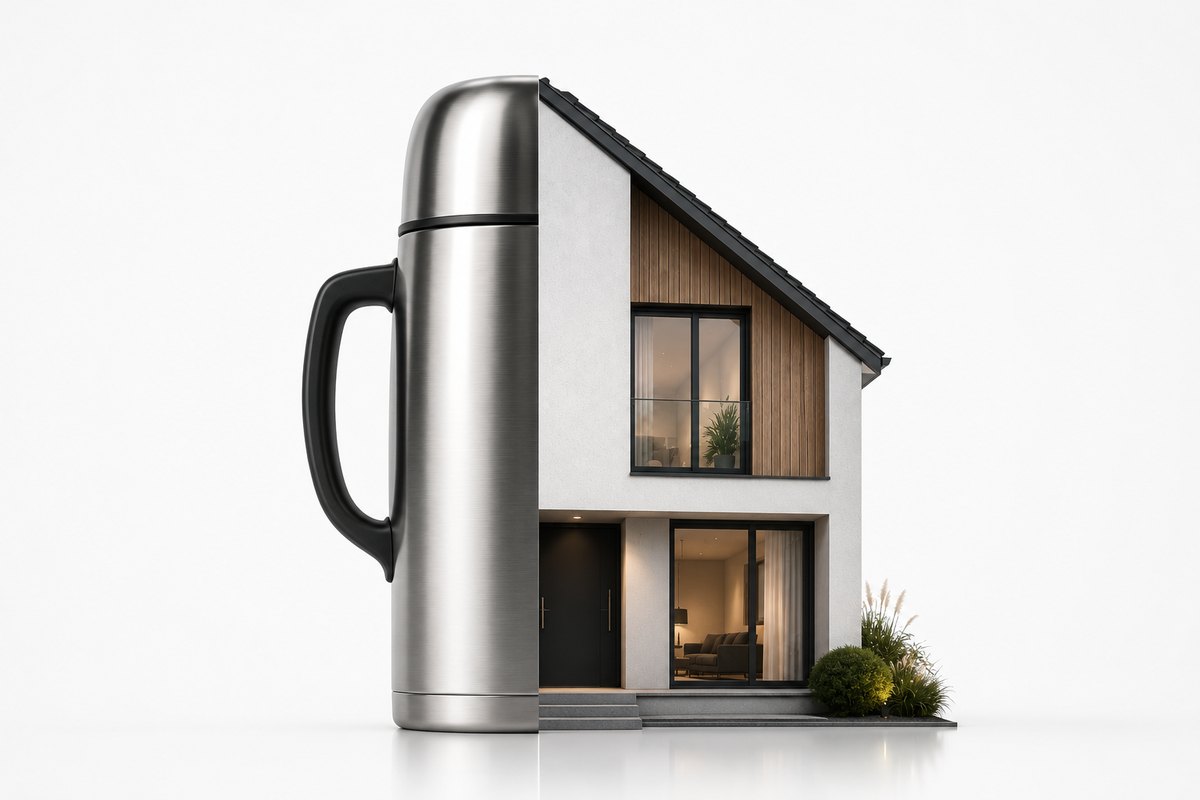
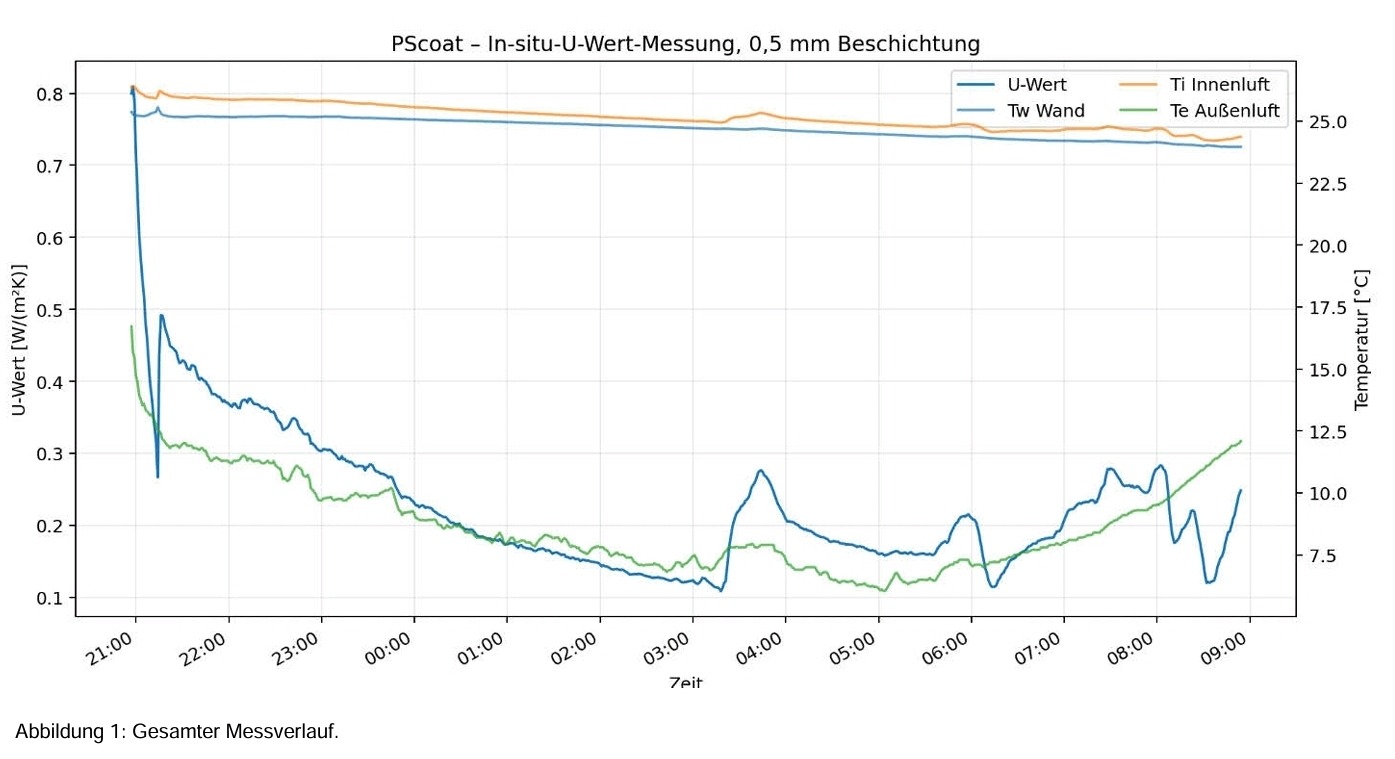
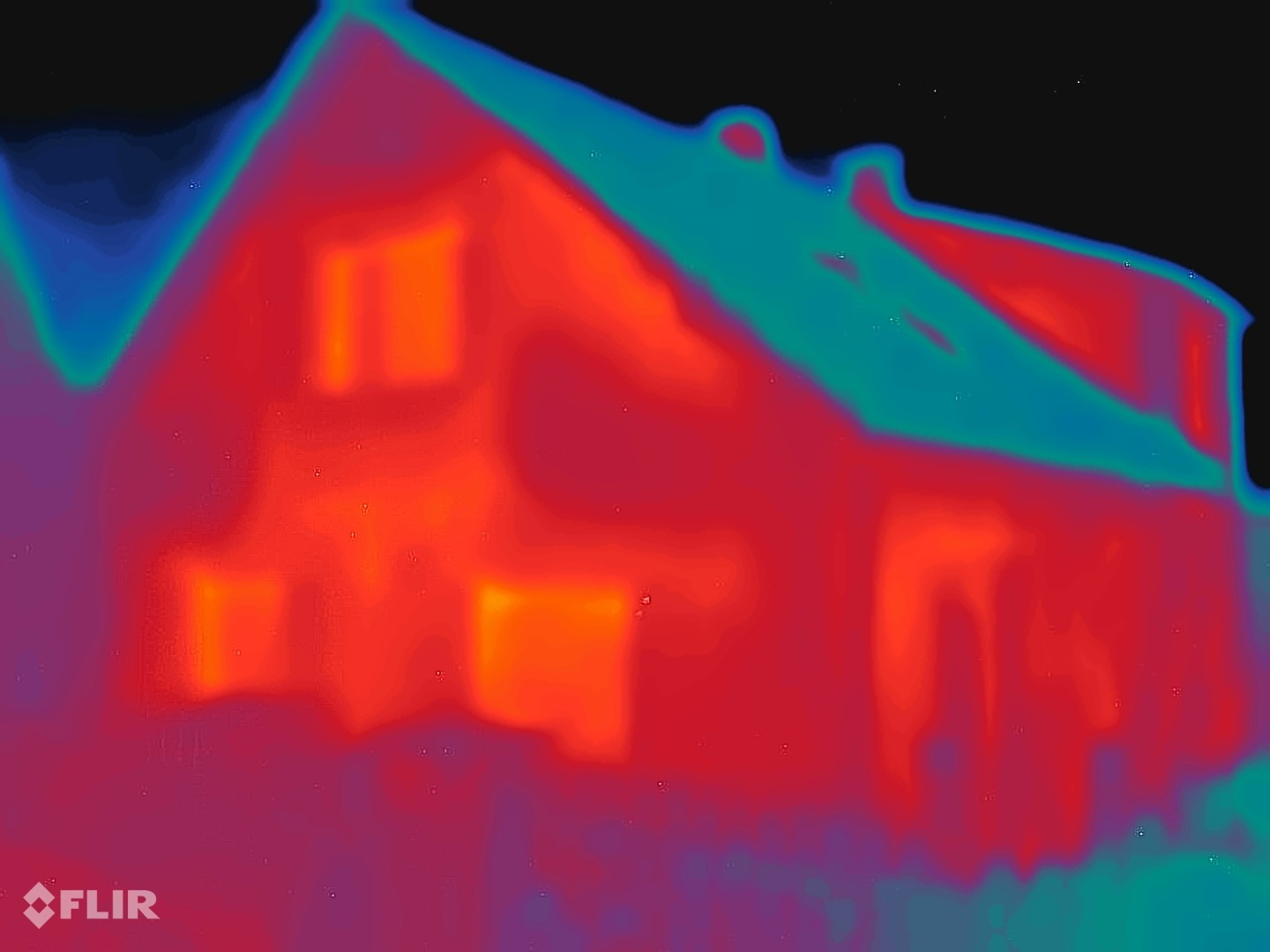
The key principle: Thermal protection isn't created solely by putting more material between warm and cold. The properties of a surface can also influence how heat is transferred between a component and its surroundings.
Technical background: The U.S. Department of Energy explicitly describes low-E coatings as a measure for reducing the U-factor.
U.S. Department of Energy – Low-E and window performance